Master the Art of Textured Canvas Creations
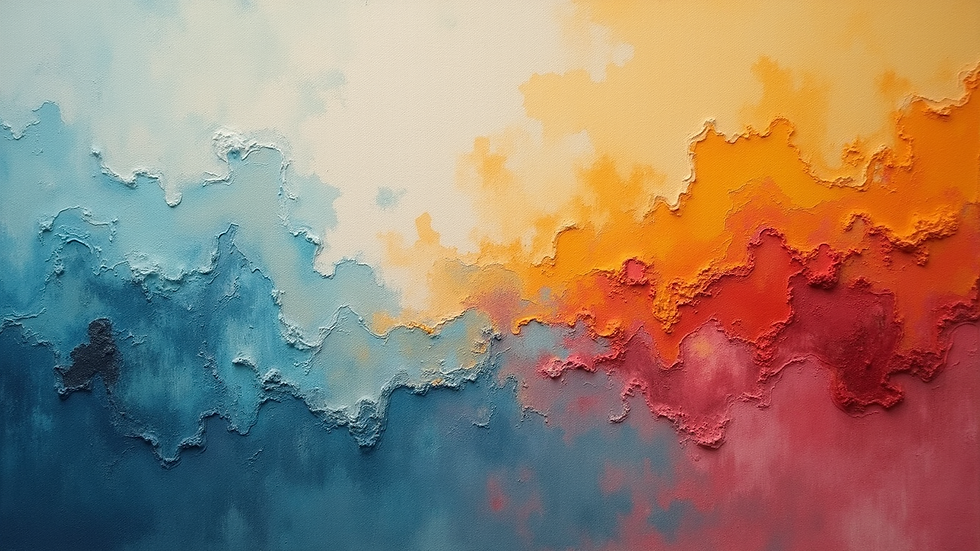
Creating art on canvas offers endless possibilities. Adding texture to canvas artwork brings depth and interest. It transforms a flat surface into a tactile experience. I will share practical tips and techniques to help you master textured canvas creations. These methods suit collectors, designers, and those who appreciate unique art forms.
Understanding Canvas Artwork Techniques
Canvas artwork techniques vary widely. Texture is one of the most effective ways to add dimension. You can use different materials and tools to build layers. Some common methods include:
Impasto: Applying thick paint with a palette knife or brush.
Collage: Adding fabric, paper, or other materials.
Modeling paste: Using a thick medium to sculpt shapes.
Sgraffito: Scratching through layers to reveal underlying colors.
Each technique offers a distinct look and feel. Experimenting with these can help you find your style. Start with simple tools like brushes and palette knives. Gradually introduce mediums like gels or pastes to increase texture.
Tools and Materials for Textured Canvas
To create textured canvas artwork, gather the right supplies:
Stretched canvas or canvas board
Acrylic or oil paints
Palette knives of various sizes
Modeling paste or texture gels
Brushes with stiff bristles
Collage materials (fabric, paper, sand)
Mediums for mixing (gloss, matte, or heavy body gels)
Using quality materials ensures durability and better results. For example, heavy body acrylics hold peaks and ridges well. Modeling paste can be tinted with paint for color consistency.

Techniques to Build Texture on Canvas Artwork
Building texture requires layering and patience. Here are some effective techniques:
Layering Paint
Apply thick layers of paint with a palette knife. Let each layer dry before adding the next. This creates raised surfaces and shadows.
Adding Mediums
Mix modeling paste or texture gel with paint. Spread it on the canvas to form peaks or patterns. Use tools or fingers to shape the texture.
Incorporating Collage Elements
Glue fabric, paper, or sand onto the canvas. Paint over or around these elements to integrate them into the composition.
Scraping and Scoring
Use a palette knife or comb to scrape through wet paint. This reveals layers beneath and adds linear texture.
Dry Brushing
Lightly drag a dry brush over raised areas. This highlights texture by catching the paint on the surface.
Try combining these methods for unique effects. For example, start with a modeling paste base, add collage pieces, then finish with thick paint layers.
Is Texture Art Easy to Sell?
Selling textured art depends on several factors. Texture adds uniqueness but also affects presentation and shipping. Here are some points to consider:
Market Demand
Many collectors and designers seek textured pieces for their visual and tactile appeal. They stand out in galleries and interiors.
Pricing
Textured works often command higher prices due to the time and materials involved.
Shipping and Handling
Thick textures can be fragile. Proper packaging is essential to avoid damage.
Display Considerations
Textured art may require specific lighting to highlight depth. It also needs space to avoid damage from contact.
Online Sales
High-quality images and detailed descriptions help buyers understand the texture. Videos or 3D views can enhance appeal.
Overall, textured canvas artwork can be a strong seller if marketed well. It attracts buyers looking for original and tactile art experiences.

How to Care for Textured Canvas Artwork
Proper care preserves texture and color. Follow these guidelines:
Avoid Direct Sunlight
UV rays can fade colors and weaken materials.
Dust Gently
Use a soft brush or microfiber cloth. Avoid rubbing or pressing hard.
Control Humidity
High humidity can cause mold or warping. Keep artwork in a stable environment.
Frame or Use a Shadow Box
Protects edges and texture from damage.
Handle with Care
Always support the canvas from underneath. Avoid touching textured areas directly.
Regular maintenance extends the life of your textured canvas artwork.
Expanding Artistic Vision with Textured Canvas
Textured canvas artwork offers a way to express creativity beyond flat images. It invites viewers to explore surfaces and forms. This approach aligns with the goal of making original abstract and landscape fine art accessible. It also opens doors to wearable art, where texture and design merge.
By mastering these canvas artwork techniques, you can create pieces that resonate with collectors and designers. The tactile quality adds value and uniqueness. It also enhances the connection between art and everyday life.
Explore the possibilities. Experiment with materials and methods. Share your vision through textured canvas creations.
For more inspiration and examples, visit Garzoyan's biography to see how textured canvas artwork can transform artistic expression.
Comments